Looking for ways to make your home more energy efficient? Improving your home’s windows, doors, heating, insulation and energy usage can help reduce wasted energy while creating a warmer and more comfortable living environment.
With household energy costs remaining a concern for many homeowners, making your property more energy efficient can be a worthwhile investment. Some improvements are simple and inexpensive, while others, such as upgrading your windows or conservatory roof, require a larger initial investment but can make a significant difference to your home’s thermal performance.
In this guide, we’ll explore 7 ways to make your home more energy efficient, including practical improvements you can consider to reduce heat loss and energy consumption.
1. Upgrade to Energy Efficient Double Glazing
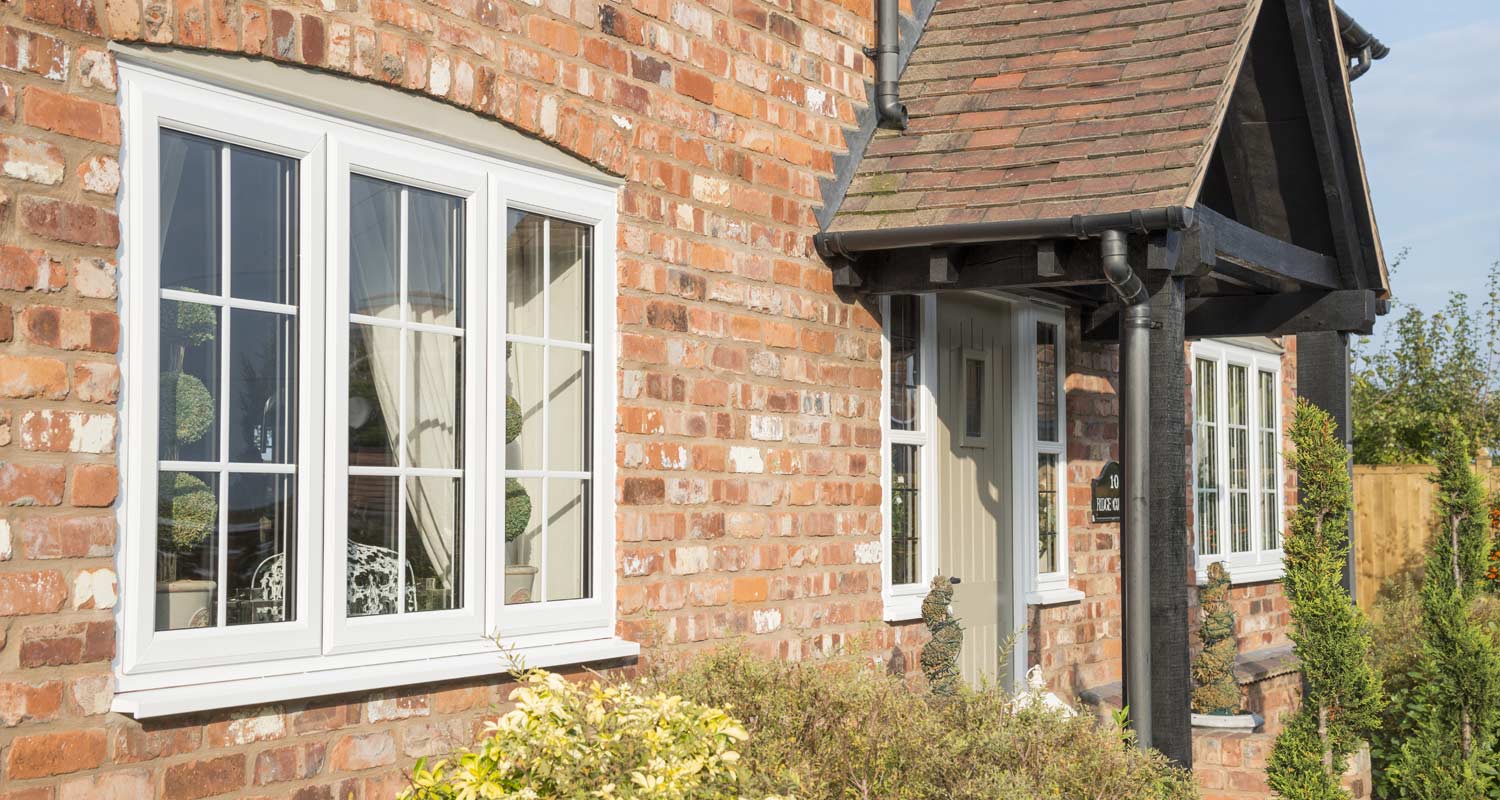
Windows can be an important consideration when improving your home’s energy efficiency. Older single glazing and outdated double glazing can allow more heat to escape, potentially making your heating system work harder to maintain a comfortable indoor temperature.
Modern double glazed windows feature two panes of glass with an insulating gap between them. This creates a thermal barrier that can help reduce heat transfer through the window.
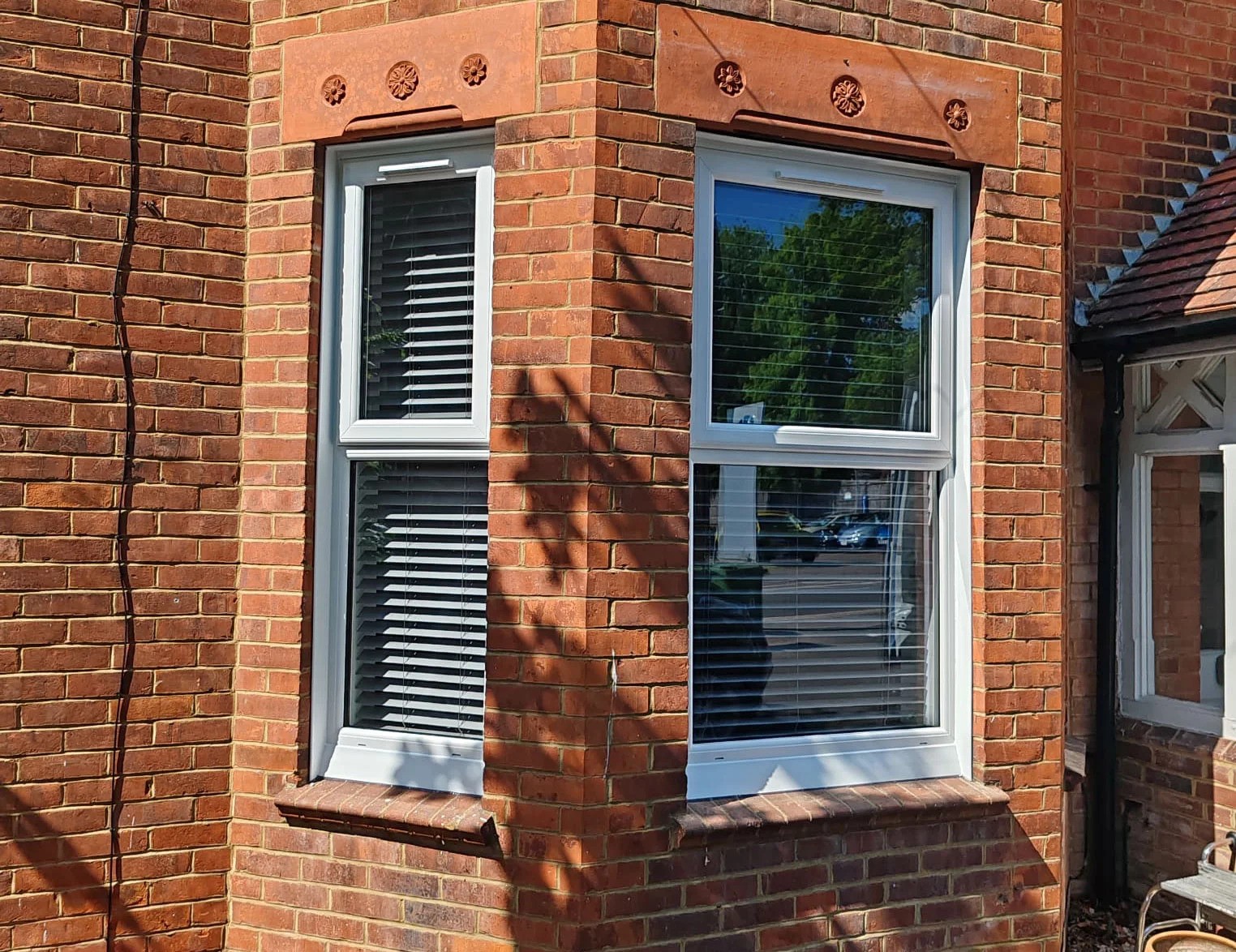
The performance of your windows depends on factors including the glass specification, frame, seals and installation. Modern energy efficient glazing can also help reduce cold spots and draughts around your windows, contributing to a more comfortable home.
At Fitter Windows, we offer a range of energy efficient window styles, including uPVC casement windows, uPVC sash windows and uPVC tilt and turn windows.
Not sure what the different energy ratings mean? Our guide to Window Energy Ratings, U-values and saving money explains what to look for when comparing energy efficient windows.
2. Draught Proof Your Windows and Doors
Draughts can make rooms feel colder and may result in your heating system working harder to maintain a comfortable temperature.
Common areas where draughts can occur include:
- Around older window frames
- Around external doors
- Around poorly sealed joints
- Through gaps around letterboxes
- Around damaged or worn seals
Draught proofing can therefore be a relatively simple way to improve your home’s comfort.
Depending on the condition of your existing windows and doors, solutions can include replacing worn seals, using appropriate weatherstripping or sealing suitable gaps.
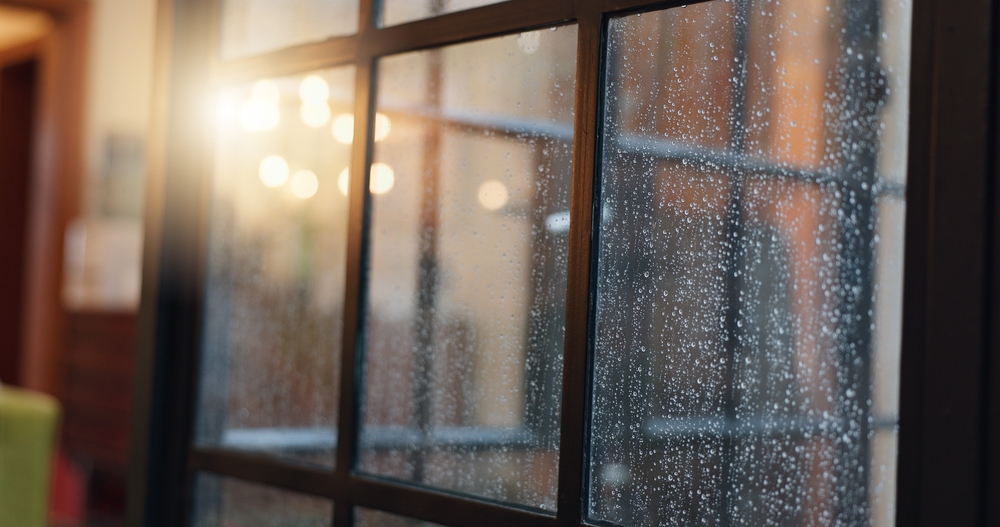
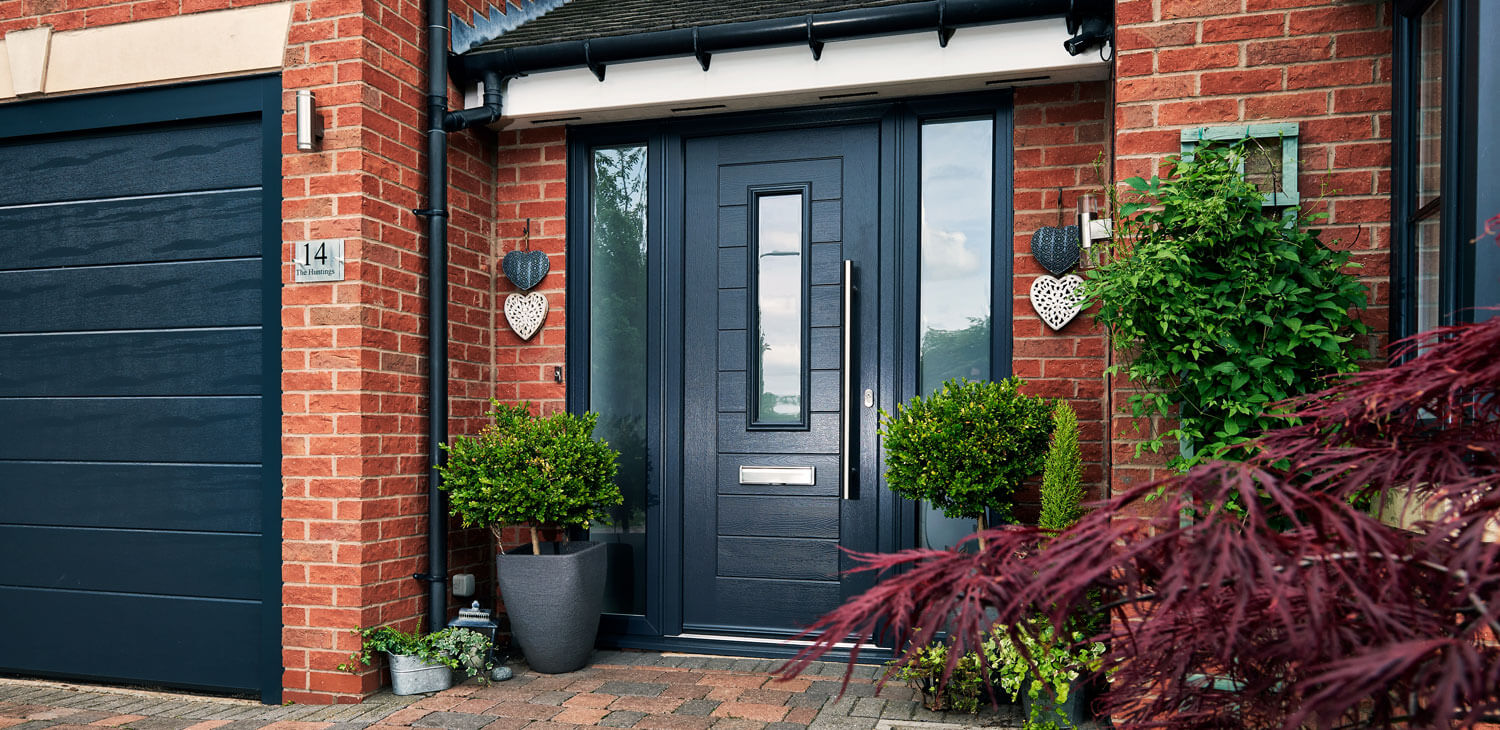
Modern windows and doors can also be designed with effective weather seals. At Fitter Windows, our uPVC windows and doors feature Q-Lon weather gaskets as standard, helping to provide a tight seal around the opening.
If your existing windows are particularly old or draughty, replacing them may provide a more comprehensive solution. You can explore our range of uPVC doors to see the options available.
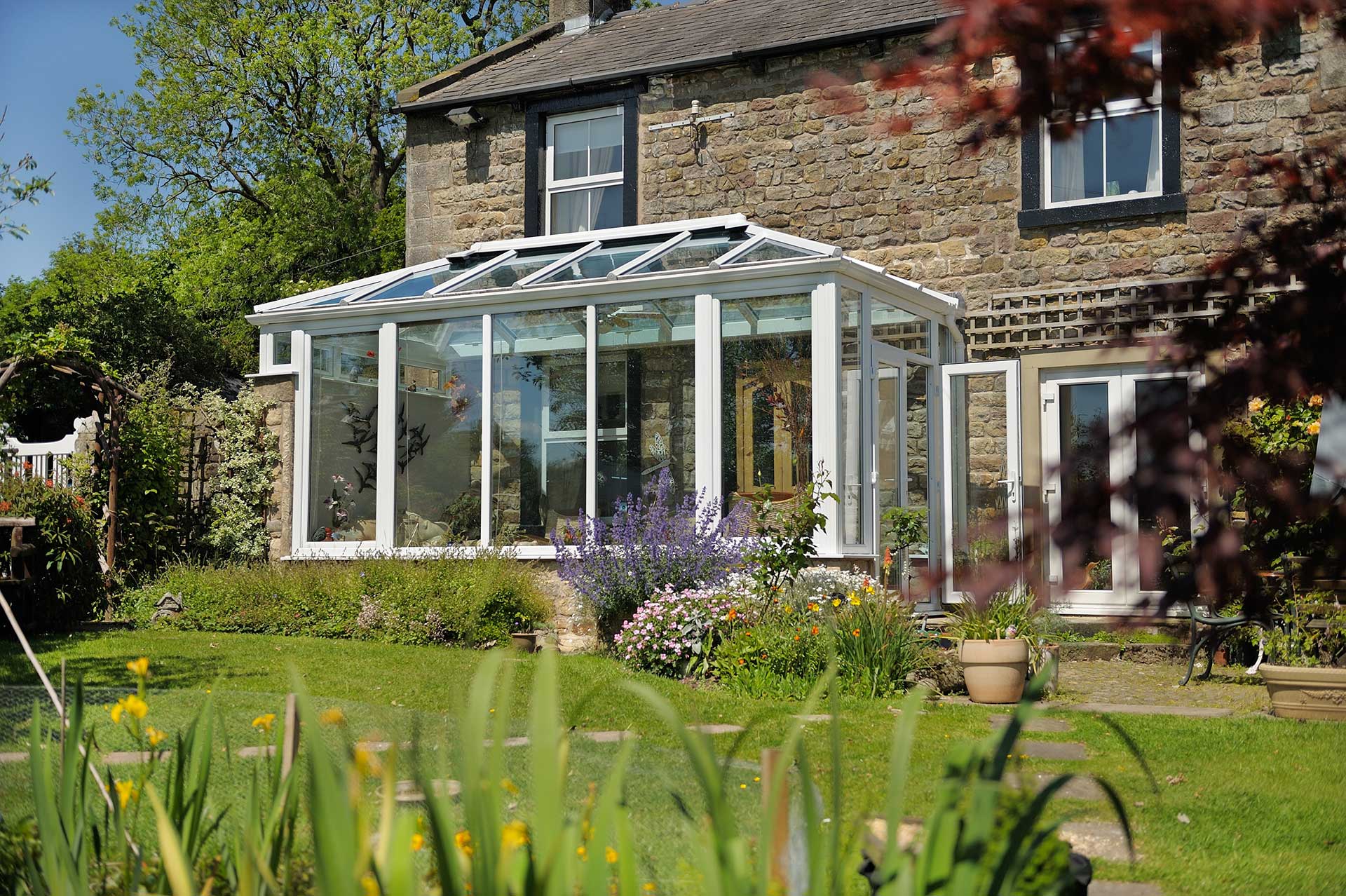
3. Improve Your Conservatory’s Energy Efficiency
Conservatories can provide valuable additional living space, but older conservatories may be uncomfortable to use throughout the year.
Large areas of glazing can contribute to heat gain during warmer months and heat loss during colder weather, particularly when combined with an older or poorly insulated roof.
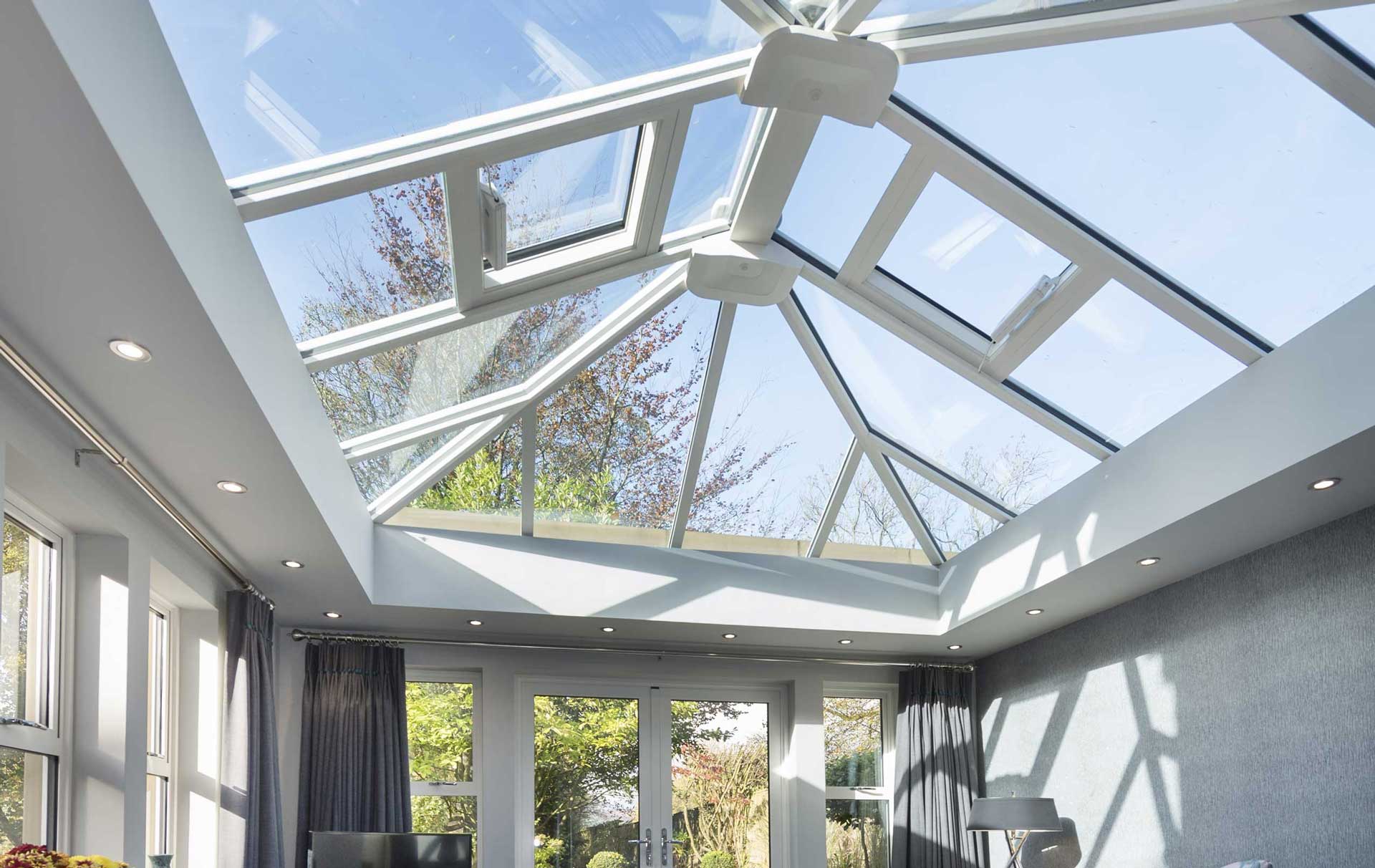
If your conservatory is too cold in winter or becomes uncomfortably warm in summer, improving the roof could be worth considering.
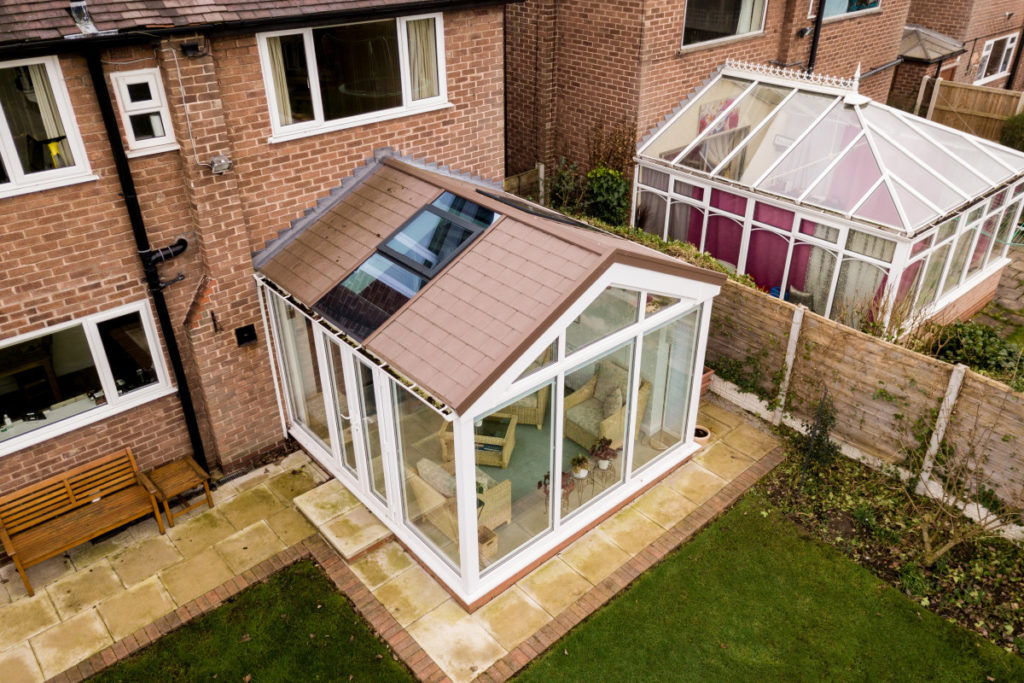
A modern conservatory roof can provide improved thermal performance compared with some older roof systems. Depending on the design, a replacement roof can help create a more comfortable environment and make better use of your existing conservatory.
Rather than replacing the entire conservatory, a roof upgrade could therefore be an option worth investigating.
You can also learn more about the benefits and options available in our guide to energy efficient conservatory roofs.
4. Use Smart Heating Controls
Your heating system can have a major influence on your home’s energy consumption.
Smart thermostats and heating controls allow homeowners to monitor and manage their heating more effectively. For example, you can schedule your heating so that it operates when you need it rather than running unnecessarily when your home is empty.
Depending on the system, smart heating technology can allow you to:
- Create heating schedules
- Adjust temperatures remotely
- Monitor energy usage
- Heat different areas of your home
- Avoid heating an empty property
A smart meter can also help you understand how much energy your household is using and identify periods when consumption is particularly high.
Technology alone won’t make a home energy efficient, but having better information about your energy usage can help you make more informed decisions about where energy is being wasted.
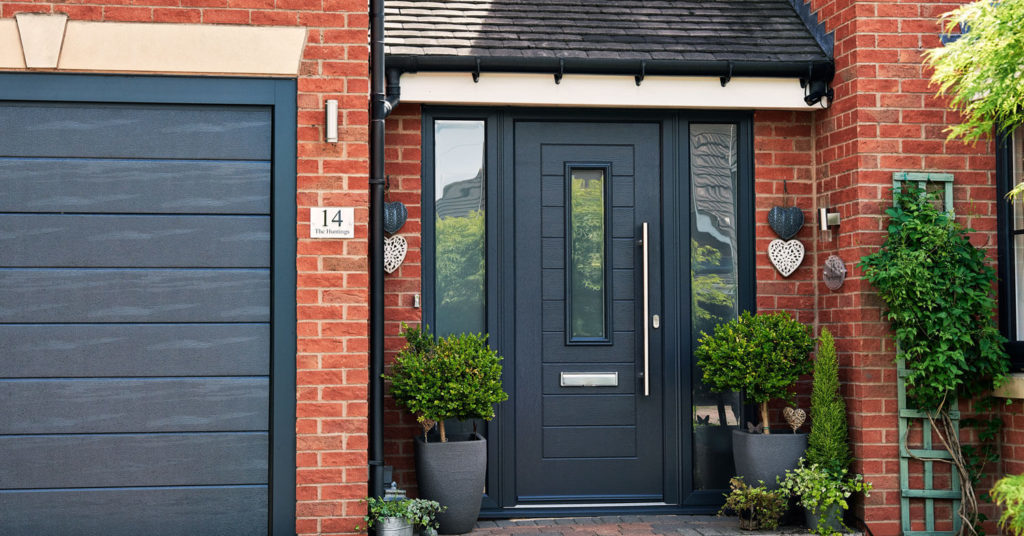
5. Consider Solar Panels
If you want to reduce your reliance on electricity from the grid, solar panels could be another option to consider.
Solar photovoltaic (PV) panels generate electricity from sunlight, allowing homeowners to produce some of their own electricity.
The amount of electricity generated depends on factors including the size and efficiency of the system, roof orientation, shading and the amount of sunlight available.
Solar panels won’t directly improve your home’s insulation or prevent heat loss, so they work differently from improvements such as double glazing. However, they can form part of a wider approach to making your home more energy efficient and reducing your reliance on grid electricity.
If you’re considering solar panels, it’s important to assess your home’s energy requirements and the suitability of your property before investing.
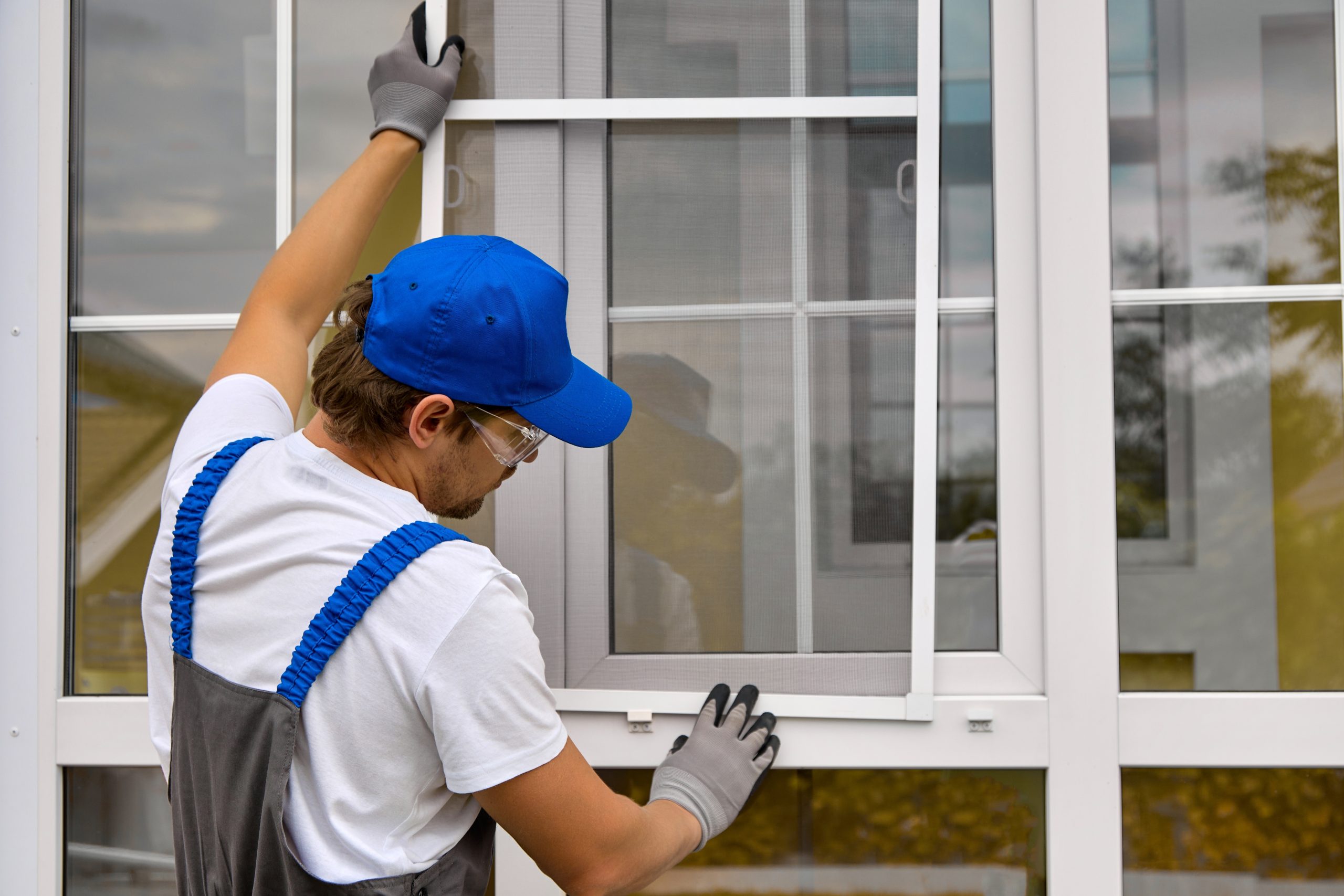
6. Consider Solar Battery Storage
Solar panels generate electricity during daylight hours, but your household may not always use all of the electricity at the time it is produced.
A solar battery can store surplus electricity for later use. This can allow you to use more of the electricity generated by your solar panels rather than relying on the grid when your panels aren’t producing enough energy.
Battery storage can therefore complement a solar PV system, particularly for households that use more electricity during the evening.
As with solar panels, the suitability and financial benefits of a battery will depend on your individual circumstances, energy usage and tariff.
7. Check Where Your Home Is Losing Energy
Before investing in multiple improvements, it’s worth considering where your home may be losing the most energy.
Heat can escape through several parts of a property, including:
- Roofs and lofts
- Walls
- Windows
- External doors
- Floors
- Poorly sealed gaps
This means replacing your windows is only one part of improving your home’s overall energy efficiency.
Consider your property as a whole. If your loft insulation is inadequate, for example, improving it could be an important priority. Similarly, if your windows are old, draughty or single glazed, upgrading them could be a sensible improvement.
An Energy Performance Certificate (EPC) can also provide useful information about your property’s current energy efficiency and recommendations for potential improvements.
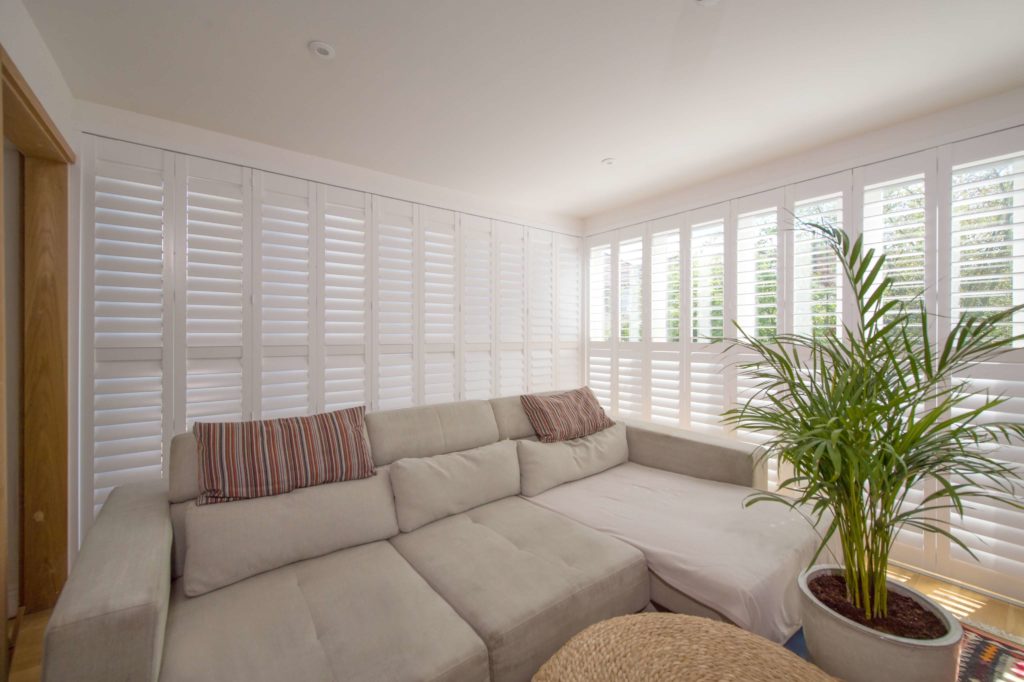
What Is the Best Way to Make a Home More Energy Efficient?
There isn’t one improvement that is right for every property. The best approach depends on the age and construction of your home, your existing windows and doors, insulation, heating system and budget.
For some homeowners, simple draught proofing and improved heating controls may be the best place to start. For others, replacing old windows, improving a conservatory roof or upgrading insulation could make more sense.
The key is to identify where your property is losing energy and prioritise improvements accordingly.
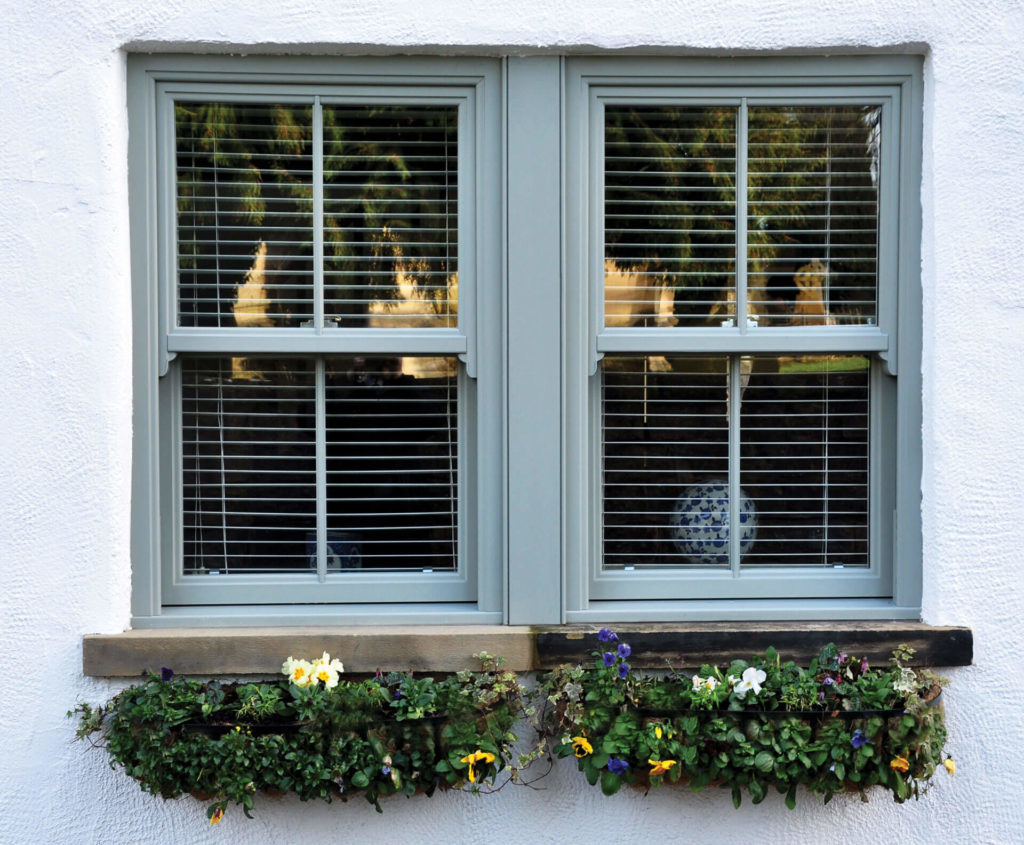
Are Energy Efficient Windows Worth It?
If your existing windows are old, damaged, single glazed or noticeably draughty, upgrading to modern energy efficient windows could be worth considering.
As well as improving thermal performance, new windows can provide other benefits, including improved security, reduced outside noise and a fresh appearance.
The right specification will depend on your property and requirements, so it’s important to consider factors such as the frame material, glazing specification, window energy rating and installation quality.
You can read more about the benefits of upgrading in our guide to why you should upgrade to energy efficient windows.

Energy Efficient Home Improvements in Essex
If you’re looking to improve the energy efficiency of your home in Essex, upgrading your windows, doors or conservatory could be a practical place to start.
At Fitter Windows, we supply and install a range of windows, doors, conservatories and conservatory roof systems designed with performance, comfort and security in mind.
Whether you’re replacing outdated glazing, looking for a more thermally efficient conservatory roof or simply want to explore your options, our team can help you find a solution suited to your property.
Categories: Updates
Tags: energy efficiency