Feeling cold air around your windows is never pleasant, particularly during the colder months. It can make rooms uncomfortable, lead to higher heating use and leave you wondering whether there is a problem with the window itself or the surrounding area.
At Fitter Windows, we often speak to homeowners who have noticed a draught near a window, condensation on the glass or a room that simply never seems to stay warm. The cause is not always immediately obvious, but there are several common reasons why windows let cold air into a home.
Worn or damaged window seals
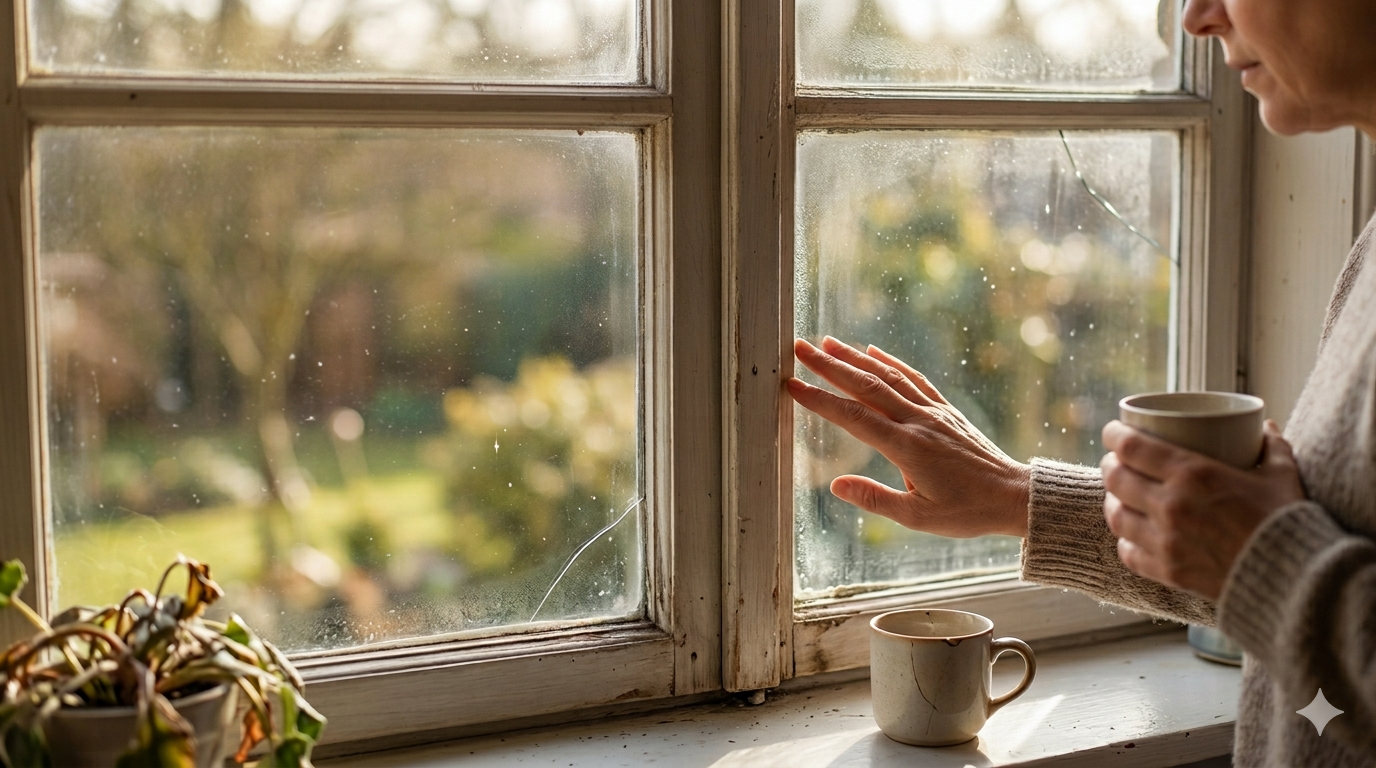
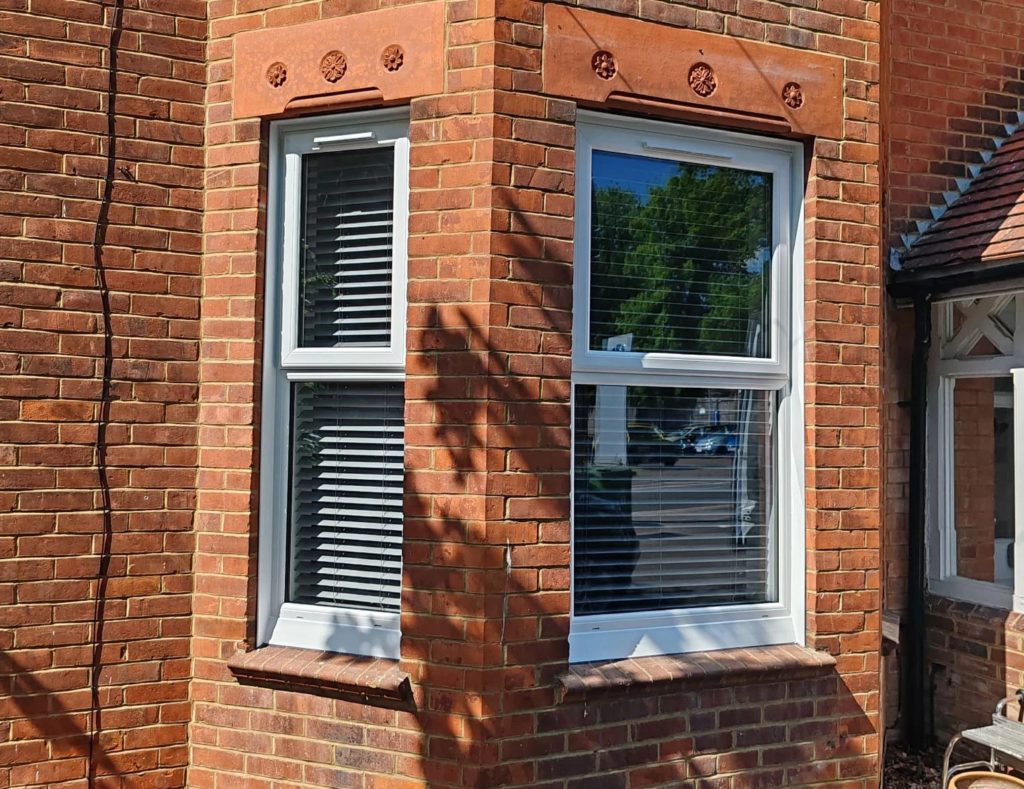
Window seals play an important role in keeping the elements outside. They sit around the opening parts of the window and help form a close barrier when the sash is shut. Over time, rubber seals can flatten, harden, shrink or become damaged.
When this happens, small gaps can appear around the frame. Even a narrow opening can allow a noticeable amount of cold air to enter, especially when it is windy outside. You may feel the draught around the opening edge of a casement window or where the sash meets the frame.
In some cases, replacing the seals may help. However, if the window is older or there are further issues with the frame, it may be more worthwhile to consider replacement windows.
Windows that no longer close properly
If a window does not shut tightly, it cannot keep cold air out as effectively as it should. This can happen when hinges, locks or handles become worn. UPVC frames can also move slightly over many years of use, while timber frames may swell, shrink or deteriorate due to weather exposure.
A window that needs to be pushed or lifted before it will lock could be out of alignment. A professional assessment can identify whether an adjustment or repair is possible, or whether the window has reached the point where replacement is the sensible option.
Failed double glazing units
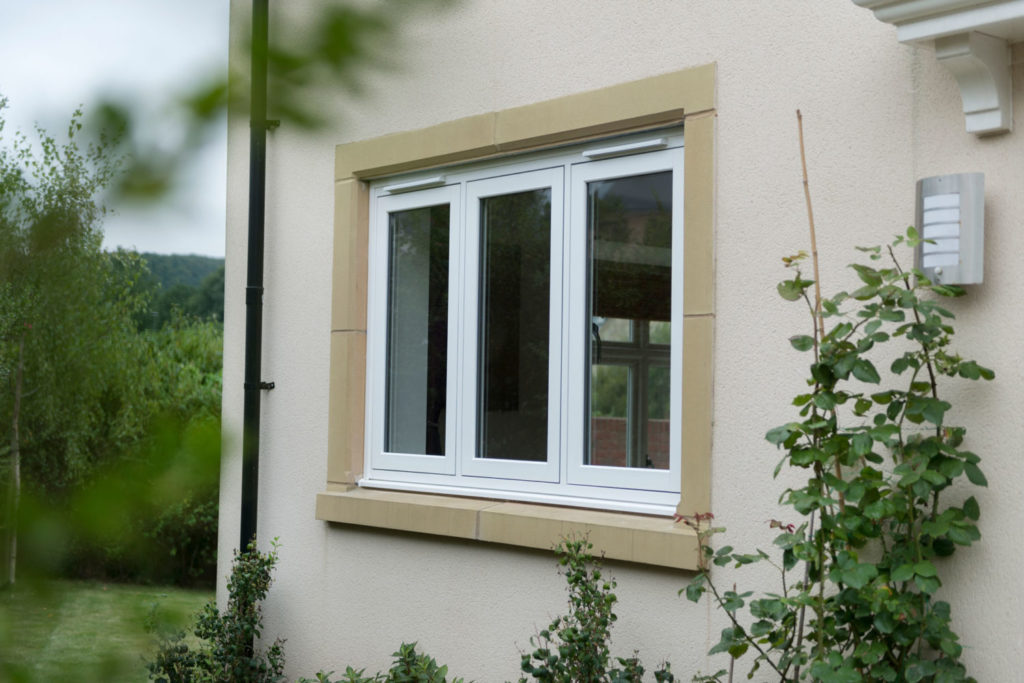
Double glazing uses two panes of glass with a sealed gap between them. This arrangement reduces the amount of heat that passes through the glass compared with single glazing. If the sealed unit fails, it may no longer perform as intended.
Mist or moisture between the panes is a clear sign that the sealed unit has failed. You may also notice that the inside surface of the glass feels especially cold. While a failed unit does not always mean air is entering directly into the room, it can contribute to heat loss and make the space feel colder.
Modern replacement windows with quality double glazing can help maintain a more consistent indoor temperature. Triple glazing may also be worth discussing for certain properties, depending on the existing windows, the location of the home and your requirements.
Gaps around the window frame
Sometimes the issue is not the window, but the installation around it. Gaps between the frame and the brickwork can let cold air in if they have not been sealed properly or if materials have deteriorated over time.
Cracked external sealant, damaged pointing and gaps around internal trims can all allow draughts to develop. This can be particularly common in older properties where windows have been replaced at different times.
An inspection should consider the whole window area, including the frame, glazing, openings and surrounding wall. Identifying the true source of the draught is important before choosing a solution.
Replacing Single Glazed Windows for Double Glazing
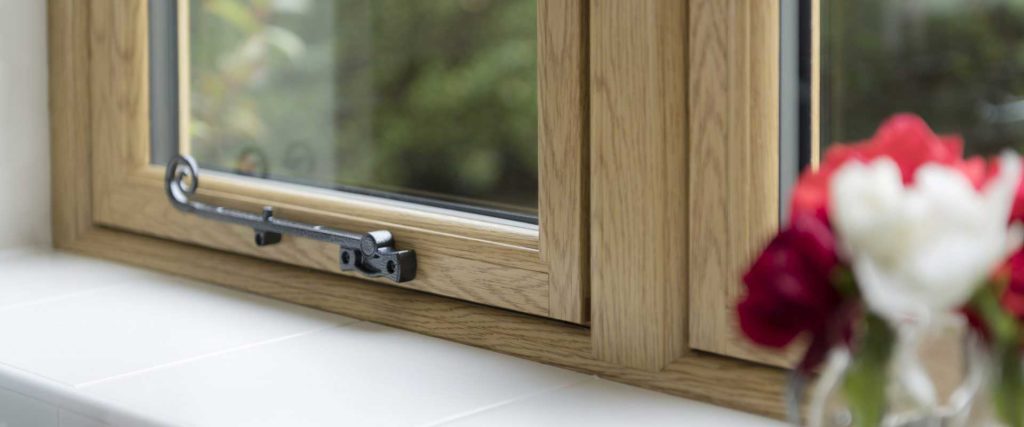
Single glazed windows offer very little insulation compared with modern double glazing. The glass itself can feel extremely cold, which draws warmth from the room even where there is no obvious gap or draught.
Replacing old single glazed windows can make a considerable difference to comfort at home. New UPVC windows or aluminium windows can provide secure, well fitted frames alongside modern glazing, helping to reduce heat loss and outside noise.
Alternatively, you can opt for secondary glazing, perfect for older buildings or listed properties for their non-intrusive nature. And for even greater energy efficiency, why not think about triple glazing? Triple glazing comprises three panes of glass instead of two, keeping your space warm in the winter and cool in the summer.
Speak to Fitter Windows Today
Cold air around your windows should not be ignored. Whether the issue is worn seals, failed glazing, poor fitting or windows that have seen better days, the right advice can help you decide what to do next.
Get in touch with Fitter Windows to discuss your existing windows and request a free quote for replacement options. You can also look on our website to learn more about our window range.
Categories: Updates