
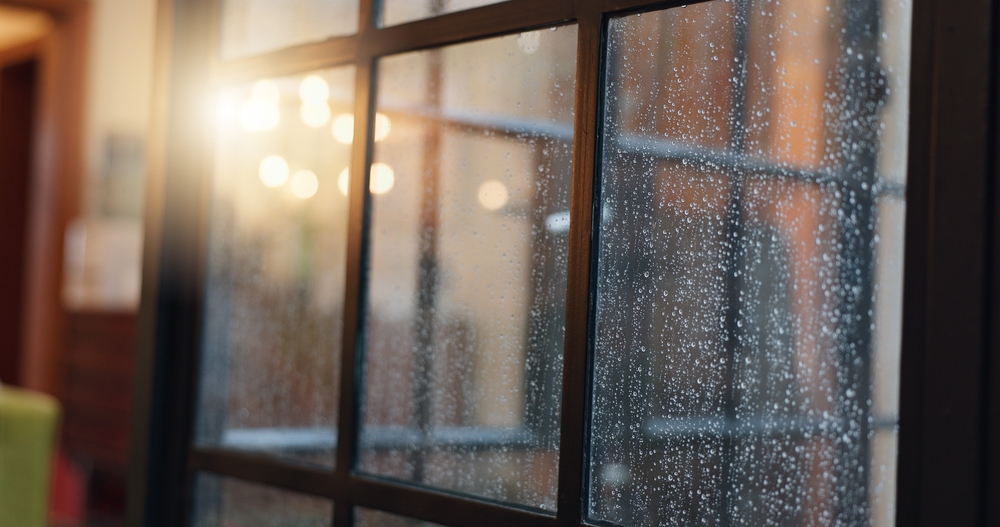
Condensation is a common issue that affects many homes, especially during the winter. As the temperatures drop, many homeowners notice misted glass and damp window frames.
While it may seem harmless, condensation can lead to various issues such as dampness, mould, damaged window frames, poor air quality and higher energy costs. Understanding why condensation gets worse during the winter and how to fix it, is the first step to fixing the problem.
What is Condensation?
Condensation occurs when warm, moist air meets cold surfaces. The air cools down quickly, making water droplets on the surface, often on your windows.
During the winter, condensation gets worse more frequently because the indoor air is warm from heating systems, the outdoor temperature is much colder and your windows can become the coldest surface in your home.
Why Condensation Gets Worse in Winter
There are two important reasons why condensation gets worse in winter:
- Colder outdoor temperatures
- Higher indoor temperatures
Colder outdoor temperatures mean that there is a greater difference in temperature between the inside and outside of your home. This makes the surface of your windows much colder and the amount of water vapour that the air can hold increases with the temperature. When there is a significant difference in temperatures outside, it means that more water will be taken out the air due to surfaces being colder than during the summer.
Ventilation is also reduced during the winter, as windows are kept closed to keep in the warm. At the same time, everyday activities such as cooking, showering, drying clothes indoors and even breathing release moisture into the air. With fewer opportunities for that moisture to escape, it builds up indoors, making condensation far more likely, especially in homes with single glazing or worn window seals.
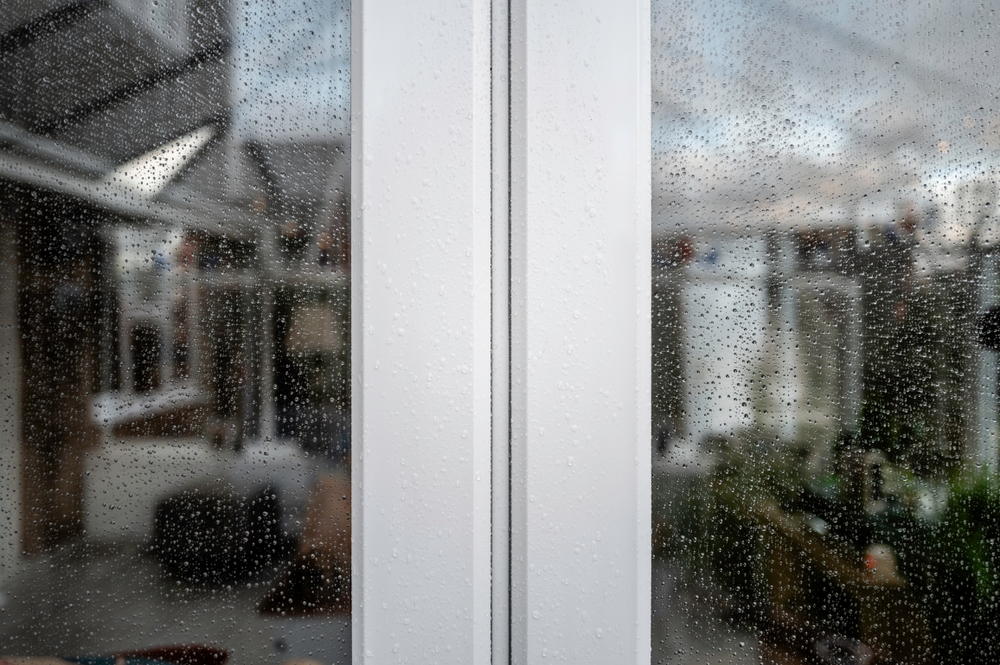
Is Condensation a Problem?
The occasional bits of condensation is not typically a cause for concern, but regular condensation can lead to long term issues. This includes mould growth around the window frames, damage to window seals and poor air quality. Over a period of time, excess moisture and condensation can also affect your home’s overall energy efficiency.
How to Fix Condensation in the Winter
The best way to prevent condensation is to reduce the amount of moisture in the air. Although it may feel counter productive during the winter, proper ventilation is vital for allowing moisture in the air to escape. Using extractor fans in kitchens and briefly opening windows each day can help reduce humidity without causing significant heat loss in your home.
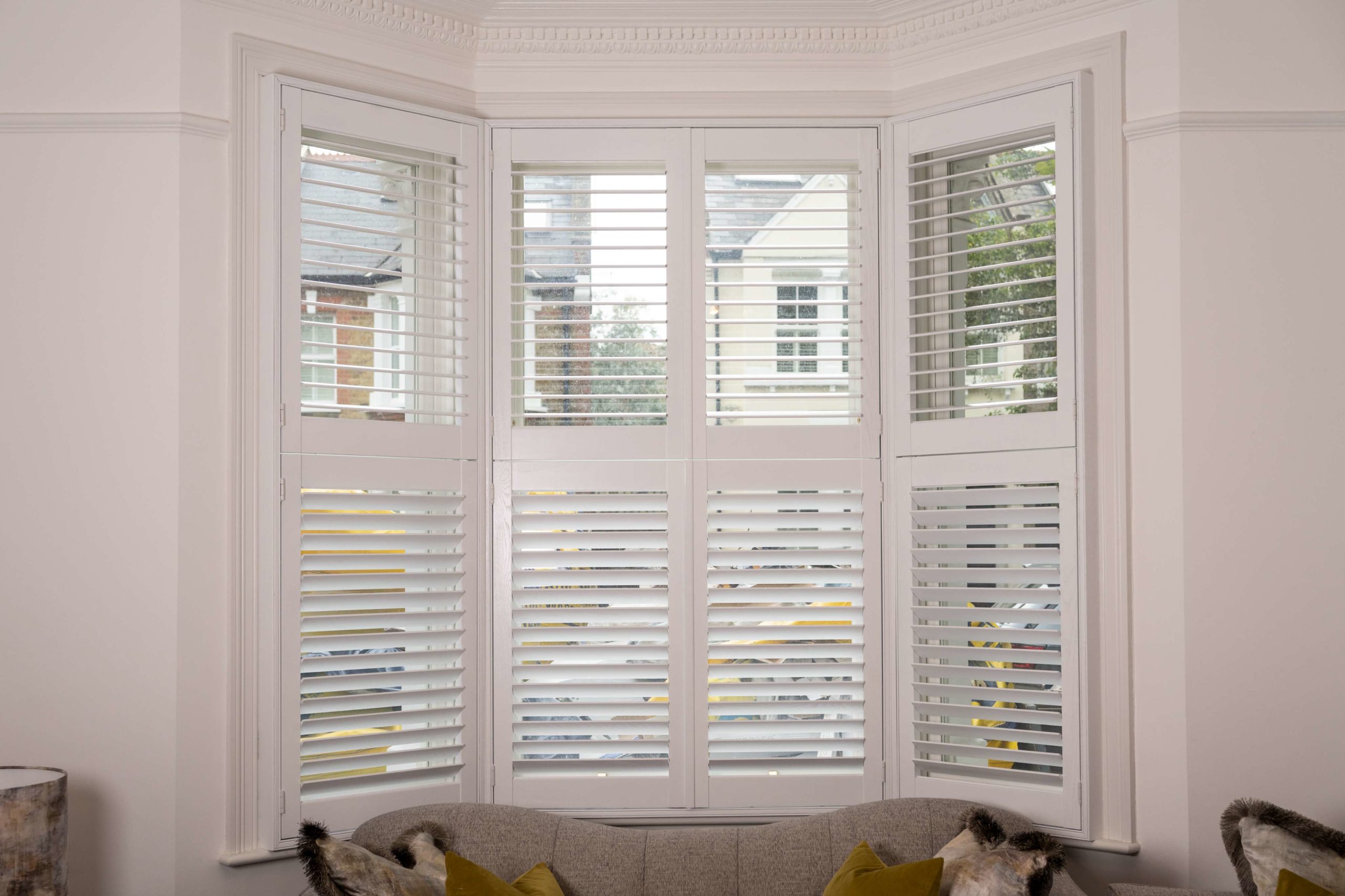
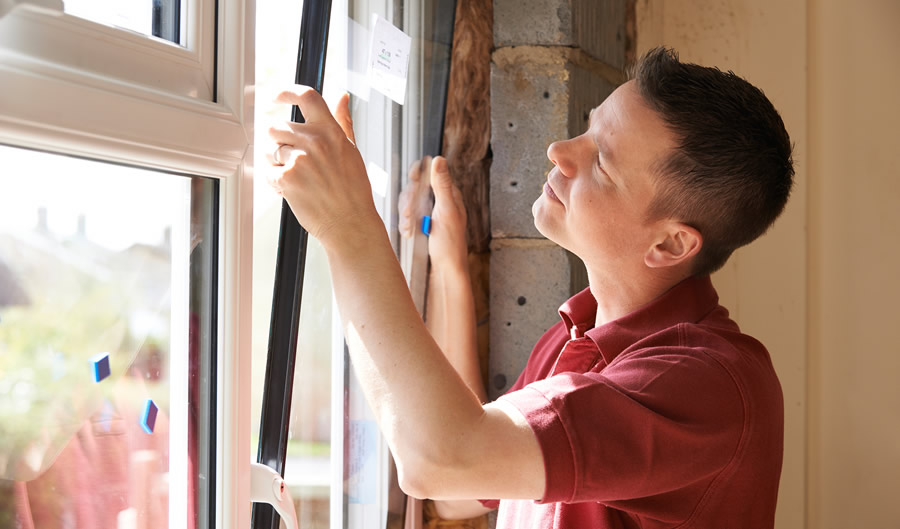
For a long-term solution, upgrading to new double or triple glazing windows can make a significant difference to reducing condensation in your home. Our energy-efficient windows are designed to keep glass surfaces warmer and provide improved insulation, to help maintain a more comfortable temperature throughout your home. Pairing these windows with our custom-made shutters adds an extra layer of insulation, helping to reduce heat loss and can lead to reduced condensation during the winter.
Upgrade Your Windows This Winter
If you have discovered condensation in your home this winter, now is the perfect time to upgrade your windows. At Fitter Windows, our windows are designed to help reduce condensation and improve insulation, security and the overall appearance of your home.
Don’t wait around for more problems to occur, contact us today to discuss your options or start your free quote. Our team is here to help you find the perfect solution to keep your home warm this winter.
Categories: Help & Advice, Windows
Tags: condensation, fitter windows, windows

)