If you’re looking to add more space, light and value to your home, a conservatory or orangery could be the perfect solution. But which is best: a conservatory vs orangery?
While the two can look similar, they differ significantly in construction, appearance, insulation, cost and how they feel to use throughout the year.
In this ultimate guide, we’ll compare conservatories and orangeries side by side, helping you decide which option is right for your home, lifestyle and budget.
What Is a Conservatory?
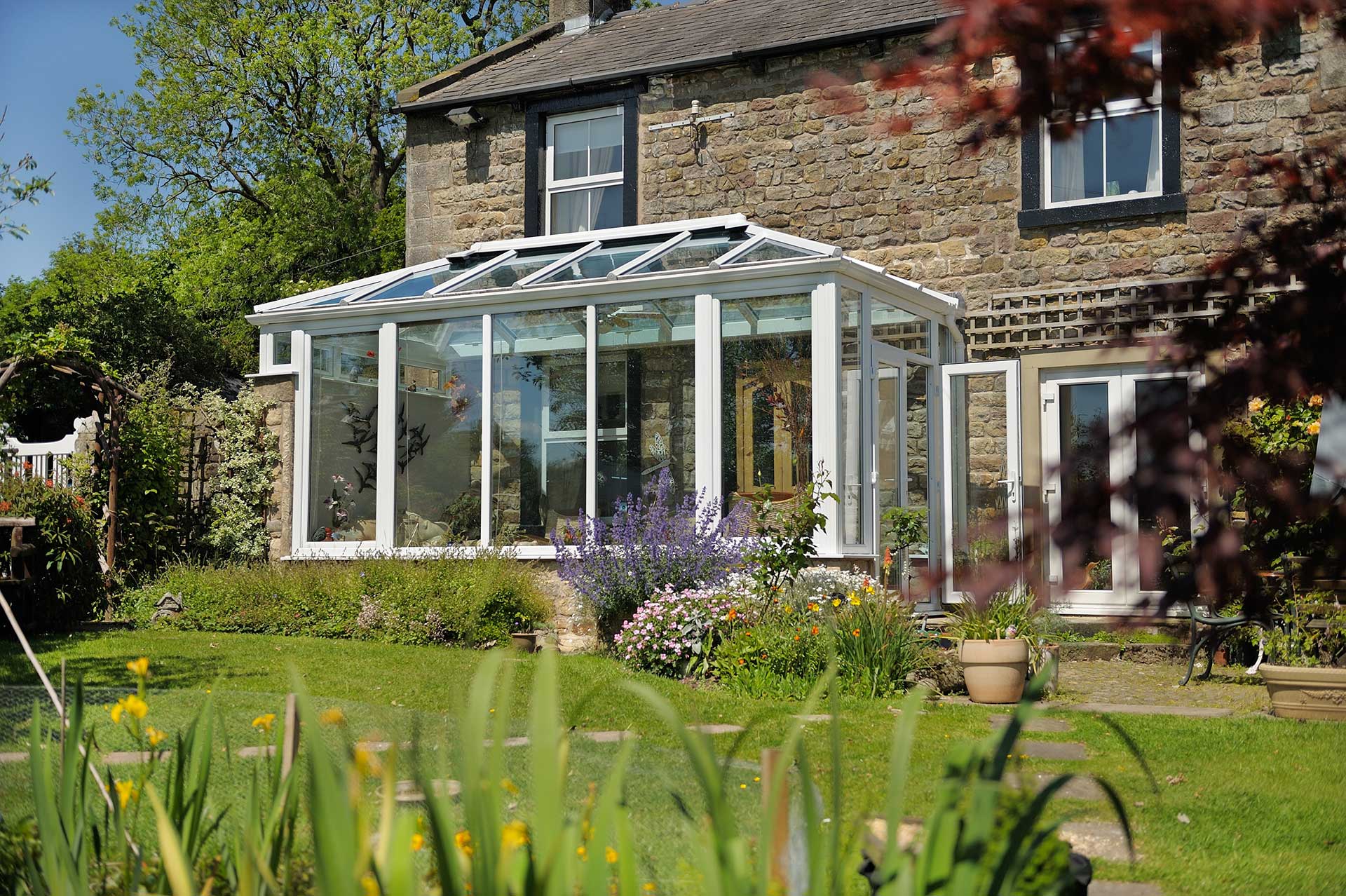
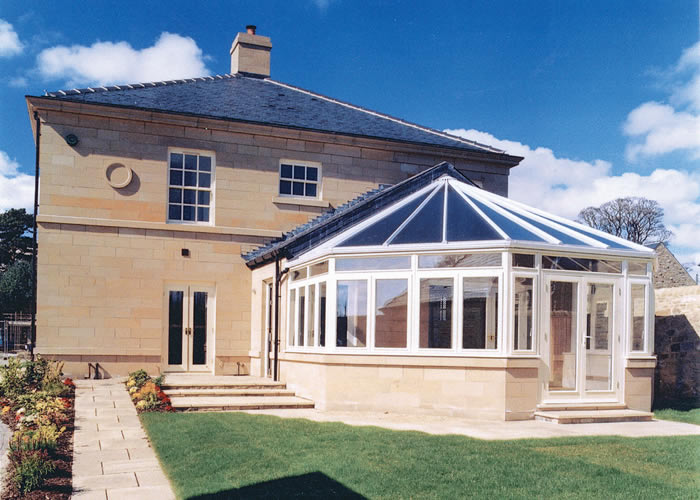
A conservatory is a glazed extension designed to maximise natural light and create a strong connection between your home and garden.
Traditional conservatories typically feature a pitched glass or polycarbonate roof and large glazed panels across much of the walls. Modern designs can include high-performance double glazing, insulated roofs, bifold doors and contemporary frames.
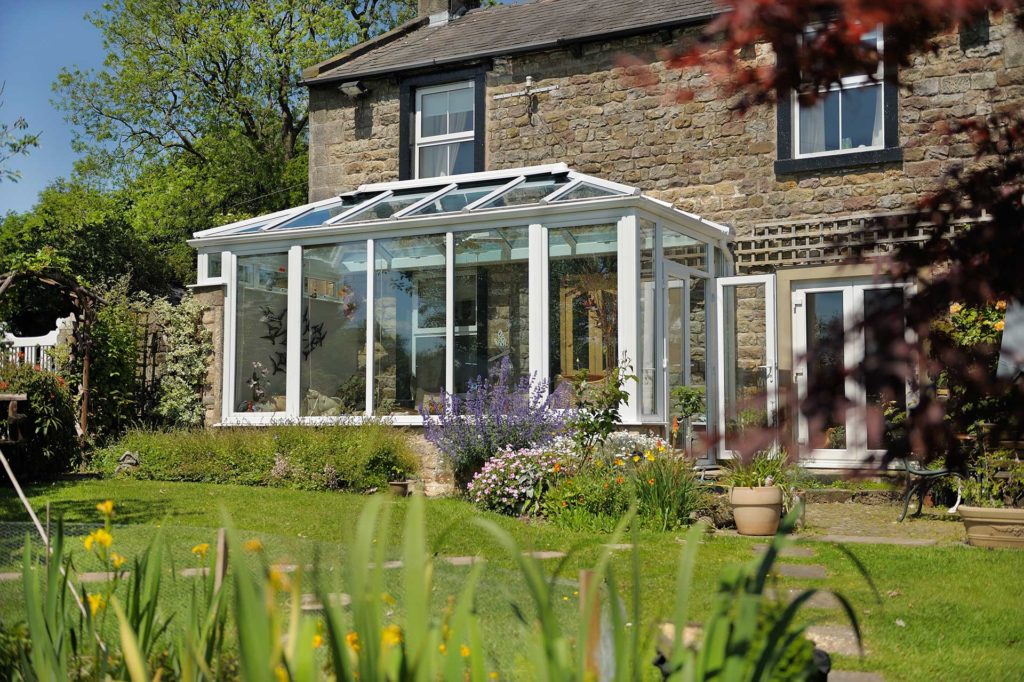
The biggest advantage of a conservatory is light. With so much glazing, it can create a bright, open and spacious-feeling room.
Conservatories can be used as:
- Dining rooms
- Garden rooms
- Home offices
- Relaxation spaces
- Playrooms
- Entertaining areas
If you’re considering one, explore our guide to conservatory styles to see which design could suit your property.
What Is an Orangery?
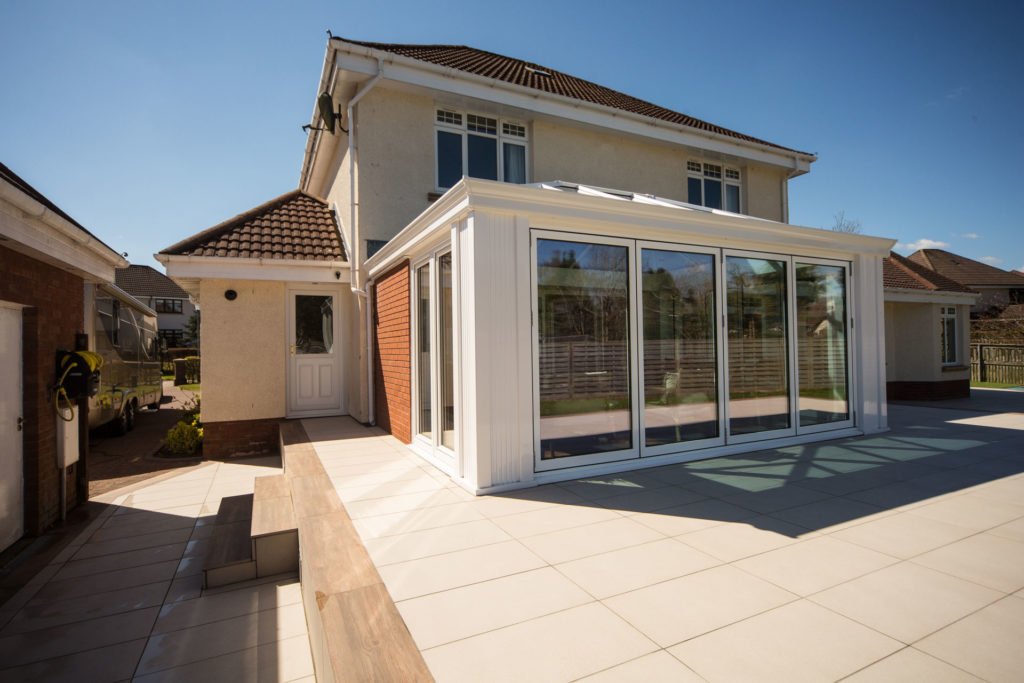
An orangery is a more solid type of home extension, traditionally combining brickwork or masonry with large windows and a glazed roof lantern.
Unlike a predominantly glazed conservatory, an orangery has more substantial walls and a stronger visual connection to the main house. Modern orangeries can be designed to look like a natural extension of your existing architecture.
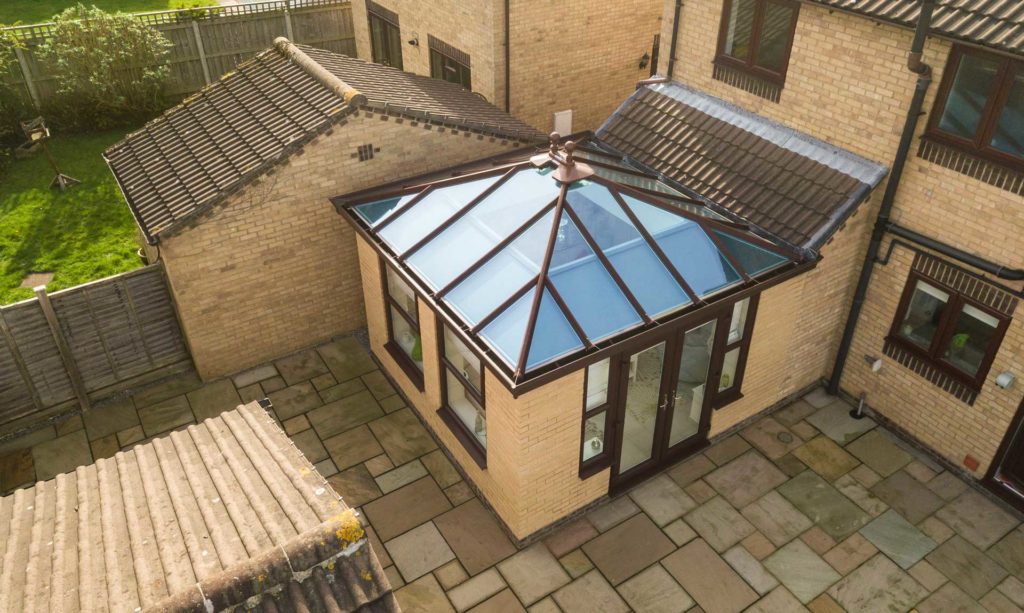
This makes an orangery particularly appealing if you want an additional room that feels like a permanent part of your home rather than a separate glazed structure.
Orangeries can work particularly well as:
- Kitchen and dining extensions
- Open-plan living spaces
- Family rooms
- Home offices
- Entertainment areas
Conservatory vs Orangery: What’s the Difference?
The simplest way to think about the difference is glass vs structure.
| Feature | Conservatory | Orangery |
|---|---|---|
| Glazing | Extensive | More balanced |
| Walls | Predominantly glazed | Brick/masonry with large windows |
| Roof | Usually glazed and pitched | Often solid with a roof lantern |
| Natural light | Excellent | Excellent |
| Thermal performance | Can be excellent with modern glazing and roofs | Generally easier to create a consistent temperature |
| Appearance | Light and garden-focused | More substantial and architectural |
| Typical cost | Usually lower | Usually higher |
| Best for | Bright, open spaces | A room that feels integrated with the house |
There is no universal winner. The best choice depends on what you want the new space to achieve.
Which Is Better for Year-Round Use?
Older conservatories sometimes gained a reputation for being too hot in summer and too cold in winter. Modern glazing, insulated frames and improved roofing can make a significant difference.
However, an orangery’s greater proportion of solid construction can make it easier to achieve a consistent indoor temperature. If your new room will become an everyday living space, such as a kitchen, dining room or family room, an orangery may be the better option. If your priority is creating a bright, airy room that connects strongly with the garden, a modern conservatory can be an excellent choice.
The quality of the installation matters just as much as the type of extension. High-performance glazing, ventilation, insulation and appropriate shading should all be considered from the beginning.
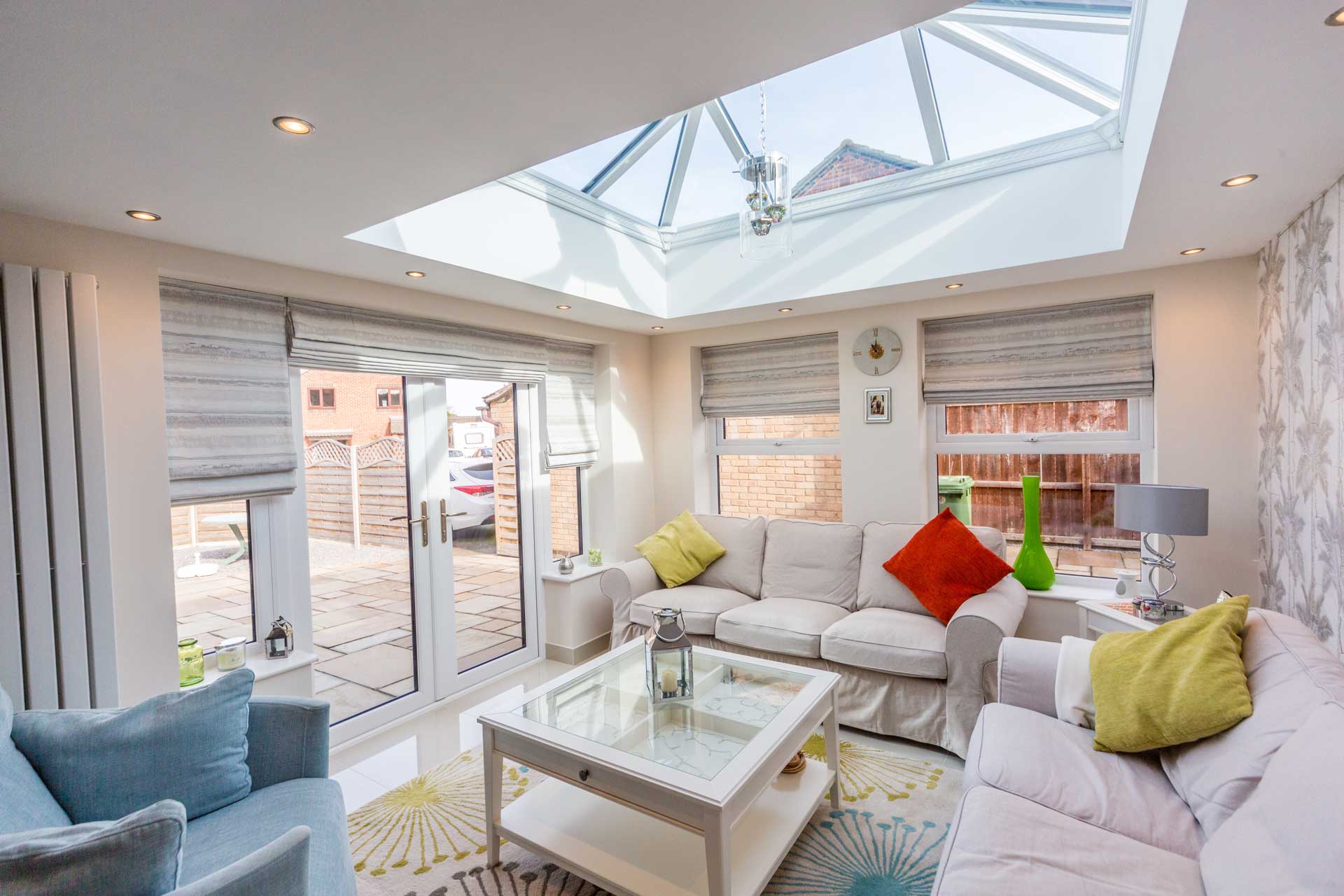
Which Is More Energy Efficient?
Neither option is automatically more energy efficient. A poorly designed conservatory can lose heat in winter and gain excessive heat in summer, while a well-designed modern conservatory can perform far better.
When comparing quotes, look beyond the headline price and ask about:
- Double or triple glazing
- U-values and energy performance
- Frame materials
- Roof insulation
- Solar-control glazing
- Ventilation
- Shading options
- Heating requirements
For more ways to improve the performance of your home, see our guide to energy-efficient windows.
Which Is More Expensive: a Conservatory or Orangery?
Generally, an orangery costs more than a conservatory because it involves more substantial construction, including masonry, foundations, structural work and a more integrated roof design.
However, the final price depends on factors such as:
- Size
- Materials
- Glazing specification
- Roof design
- Door configuration
- Ground conditions
- Structural requirements
- Internal finishes
- Heating and electrical work
A conservatory is often the better choice if keeping the initial project cost lower is important. An orangery can justify its higher price if you want a more substantial, highly integrated living space.
Always compare like-for-like quotes. A cheaper quote may not include foundations, flooring, electrics, heating, plastering or upgraded glazing.
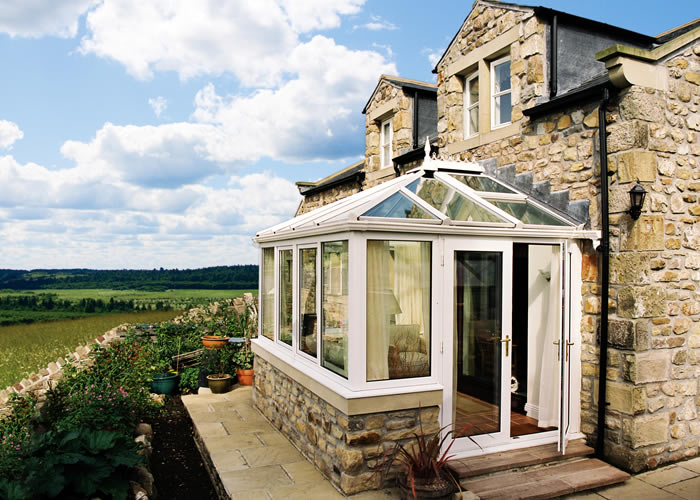
Which Adds More Value to Your Home?
A well-designed conservatory or orangery can make your home more attractive to potential buyers, but there is no guaranteed percentage increase in property value.
The biggest consideration is whether the additional space feels like a genuine asset. A high-quality, comfortable and well-integrated room is more likely to appeal to buyers than an outdated conservatory that is difficult to heat or use.
This is why design, proportions, materials and thermal performance should all be considered alongside aesthetics.
Planning Permission and Building Regulations
Planning rules depend on your property and the exact design.
In England, some conservatories and orangeries can fall under permitted development rights, provided they meet the relevant requirements. Listed buildings, conservation areas and properties with previous extensions can have additional considerations.
Building regulations are a separate issue. Some conservatories can be exempt from building regulations if they meet specific conditions, including being at ground level, under 30m², separated from the house by suitable external-quality walls, doors or windows, and having an independent heating system. Any new structural opening between the house and conservatory may require building regulations approval.
Orangeries generally function more like conventional extensions and will normally need to satisfy building regulations.
Always check the requirements for your specific property before work begins.
Conservatory or Orangery: Which Is Right for You?
Choose a conservatory if you:
- Want maximum natural light
- Love the feeling of being connected to your garden
- Have a tighter budget
- Prefer a lighter, more glazed appearance
- Want a versatile additional room
Choose an orangery if you:
- Want the extension to feel like part of the original house
- Prefer a more substantial architectural appearance
- Need a comfortable everyday living space
- Are happy to invest more in the project
- Want more flexibility with walls, furniture and interior design
What About a Conservatory With a Solid Roof?
There is also a middle ground. If you already have a conservatory but are unhappy with its temperature or appearance, replacing the existing roof with a modern insulated system can transform how the space feels.
Depending on the design, however, changing the roof can affect planning or building-regulation requirements, so professional advice is recommended before work starts.
You can also explore our conservatory roof options to understand the alternatives.
Final Verdict: Conservatory or Orangery?
So, which is best: a conservatory or orangery? There isn’t a one-size-fits-all answer.
A conservatory is ideal if your priority is natural light, garden views and creating a bright additional space without the same level of masonry construction as an orangery.
An orangery is the stronger choice if you want a substantial, year-round room that feels closely integrated with the architecture of your home.
Ultimately, the right choice comes down to how you want to use the space, your budget, your property’s architecture and the level of thermal performance you expect. Whichever option you choose, investing in high-quality glazing, insulation, doors and professional installation can make a significant difference to the finished result.
Ready to explore your options? Contact Fittter Windows to discuss your requirements and find the right solution for your home.
Planning and building-regulation requirements can vary depending on location and property. Always confirm the current requirements with your local authority and relevant professionals before starting work.
Categories: Updates